Sesame Ginger Shrimp
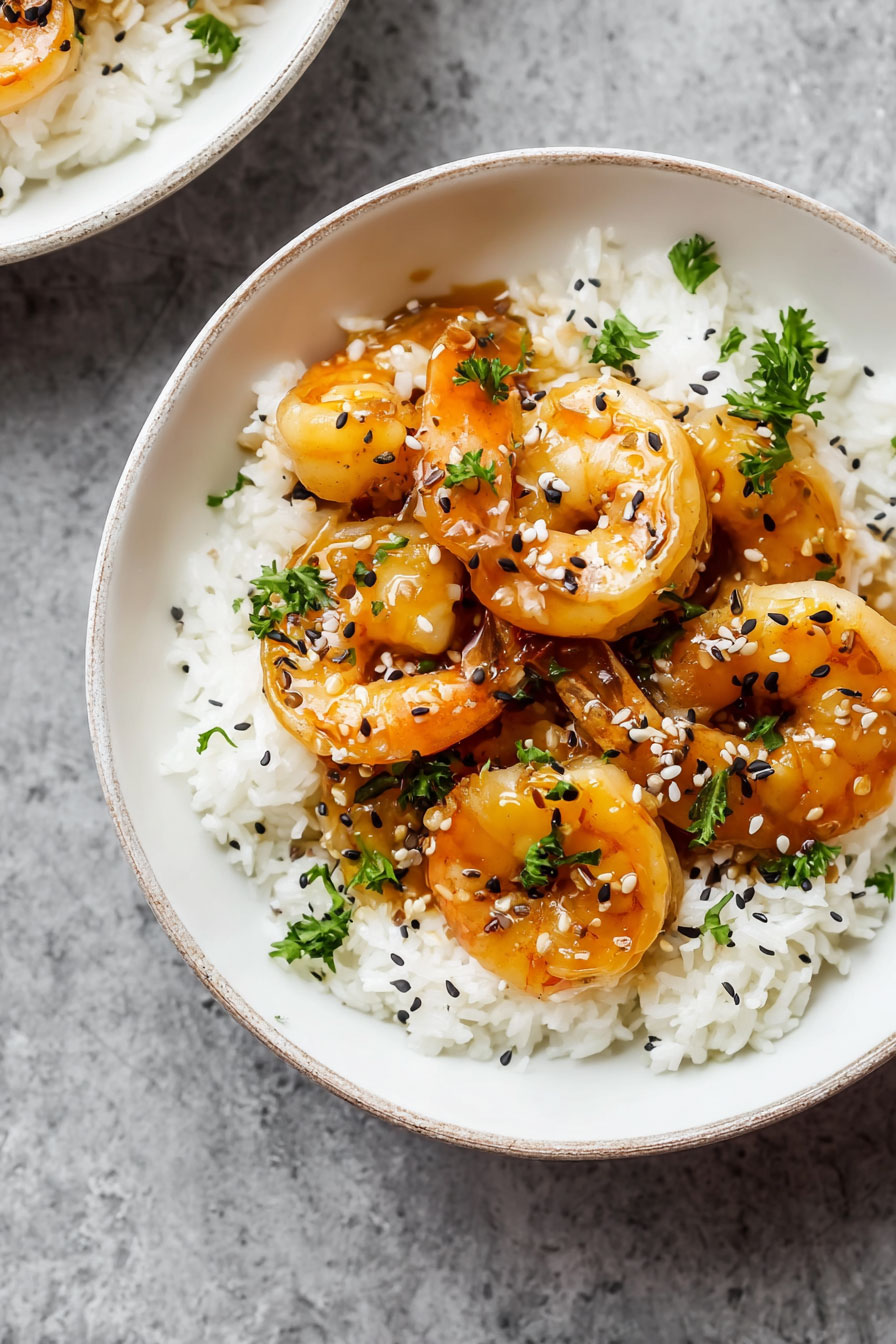
Let me be straight with you. This is one of those recipes I keep coming back to on busy weeknights when I want something really good but have zero energy to fuss around in the kitchen.
It’s bold. It’s saucy. And it’s done in 20 minutes flat.
One skillet, a handful of pantry staples, and you’ve got a plate of glossy, sweet-savory shrimp that honestly tastes like it came from your favorite Asian restaurant down the street. Except you made it. In your pajamas. While the rice was cooking.
Why This Recipe Just Works
Shrimp is my go-to protein on weeknights. It cooks insanely fast, soaks up flavor like a sponge, and feels a little fancy without actually being complicated. That’s the dream, right?
But the real star of this dish? The sauce.
It hits every note:
- Savory — from soy sauce
- Sweet — from honey
- Tangy — from rice vinegar
- Nutty and fragrant — from toasted sesame oil
- Warm and zesty — from fresh ginger
- Bold and deep — from garlic
And the cornstarch? It turns that sauce into this beautiful, glossy glaze that wraps around every single shrimp. Not too thick. Not too thin. Just right.
No deep frying. No long simmer times. No complicated prep. Just a skillet, some good ingredients, and about 20 minutes of your time.
What You’ll Need
Here’s a quick breakdown of every ingredient and why it earns its place in this recipe:
| Ingredient | Amount | Why It Matters |
|---|---|---|
| Medium shrimp, thawed & peeled | 1 pound | Cooks fast, stays juicy |
| Cornstarch | 2 tablespoons | Browns the shrimp + thickens the sauce |
| Olive oil | 1 tablespoon | For searing (avocado oil works too) |
| Soy sauce | 2 tablespoons | Deep, savory umami base |
| Honey | 2 tablespoons | Sweetness + that sticky glaze effect |
| Rice vinegar | 1/2 tablespoon | Brightness so it doesn’t taste heavy |
| Toasted sesame oil | 1/2 teaspoon | Nutty, signature aroma |
| Fresh ginger, grated | 1 teaspoon | Warmth and zing — fresh only |
| Garlic, minced | 2 cloves | Savory depth |
| Water | 3/4 cup | Helps the sauce come together |
| Sesame seeds | To taste | Crunch and a restaurant-worthy look |
A quick note on the sesame oil — make sure it’s toasted sesame oil, not regular. The difference in flavor is massive. Regular sesame oil is pretty bland by comparison.
And the ginger? Please use fresh. I know it’s tempting to reach for the powder in the back of your spice cabinet. Don’t. Fresh ginger has this warm, zippy brightness that powdered ginger just can’t touch.
Tools You’ll Need
Nothing fancy here. Seriously.
- A large nonstick or cast iron skillet
- A small mixing bowl
- A whisk or a fork
- Tongs or a spatula
That’s the whole list. Minimal tools. Minimal mess. Maximum flavor.
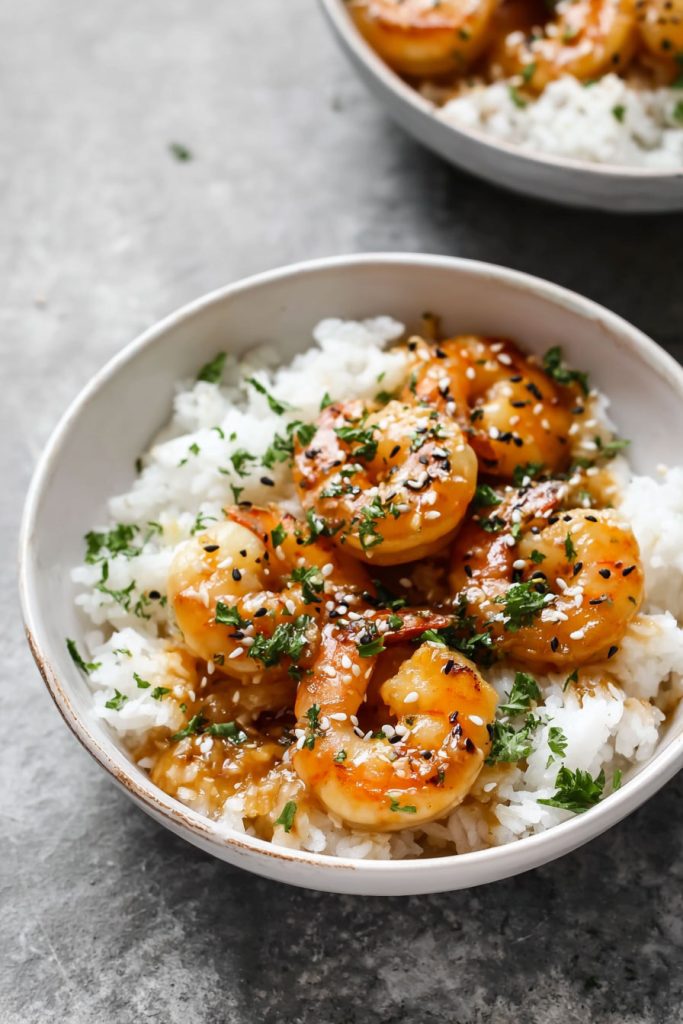
How to Make Sesame Ginger Shrimp
Step 1 — Prep the Shrimp
Pat the shrimp completely dry with paper towels. This is one of those small steps that makes a big difference. Dry shrimp sear beautifully. Wet shrimp just steam in the pan — and you lose that lovely golden edge.
Once dry, toss the shrimp in cornstarch until each piece is evenly coated.
Step 2 — Cook the Shrimp
Heat your olive oil in a large skillet over medium-high heat.
Add the shrimp in a single layer — don’t crowd them — and cook for about 1 to 2 minutes per side. You’re looking for pink, opaque, and lightly golden. Once they hit that point? Pull them out immediately and set them aside.
Here’s the thing about shrimp. They overcook faster than you think. Keep a close eye on them.
Step 3 — Make the Sauce
In a small bowl, whisk together:
- Soy sauce
- Honey
- Rice vinegar
- Toasted sesame oil
- Grated ginger
- Minced garlic
- Water
Pour it straight into the same skillet. Let it come to a gentle simmer.
Step 4 — Thicken the Sauce
Let the sauce bubble away for 2 to 3 minutes. It’ll start to thicken on its own — partly from reducing, partly from the cornstarch left behind in the pan from the shrimp. Watch it transform into this glossy, silky glaze right before your eyes.
Step 5 — Bring It All Together
Add the shrimp back into the skillet. Toss everything to coat. Give it another 1 to 2 minutes until the shrimp are heated through and fully glazed.
Sprinkle with sesame seeds. Serve immediately.
Done.
Pro Tips Worth Knowing
Don’t overcook the shrimp. I know I keep saying it. But it really is the most common mistake. Pink and opaque = done. Remove them fast.
Use fresh ginger. Not dried. Not the paste in the tube (if you can avoid it). Freshly grated ginger gives this dish its whole personality.
Pat the shrimp dry. Skipping this step is like trying to get a tan with sunscreen on. The moisture prevents any browning from happening.
Adjust the sweetness to your taste. Want less sticky? Cut the honey back slightly. Love a thicker glaze? Add a tiny bit more. This sauce is very forgiving.
Cook in batches if needed. If your skillet is on the smaller side, don’t cram all the shrimp in at once. Overcrowding = steaming, not searing.
Easy Swaps and Variations
This recipe is very flexible. Here are some ways to make it your own:
Make it spicy — Add a pinch of red pepper flakes or a teaspoon of sriracha to the sauce. The heat plays beautifully against the honey.
Swap the protein — This sauce works just as well with:
- Thinly sliced chicken breast
- Firm tofu
- Salmon fillets
- Thinly sliced beef
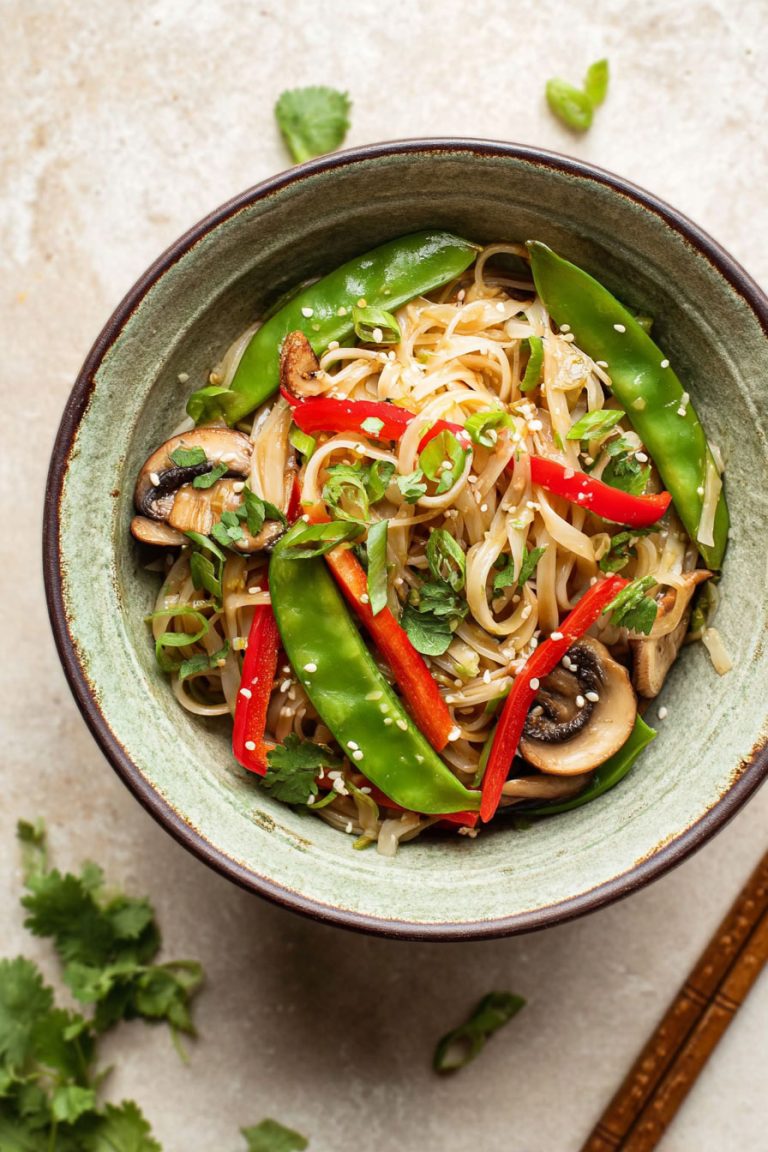
Add vegetables — Toss in some broccoli, snap peas, bell peppers, or carrots. Sauté them briefly after removing the shrimp, then continue with the sauce as normal.
Make it gluten-free — Swap soy sauce for tamari or coconut aminos. Same great flavor, no gluten.
What to Serve With It
This shrimp goes with just about anything. Here are my favorites:
Grains and noodles:
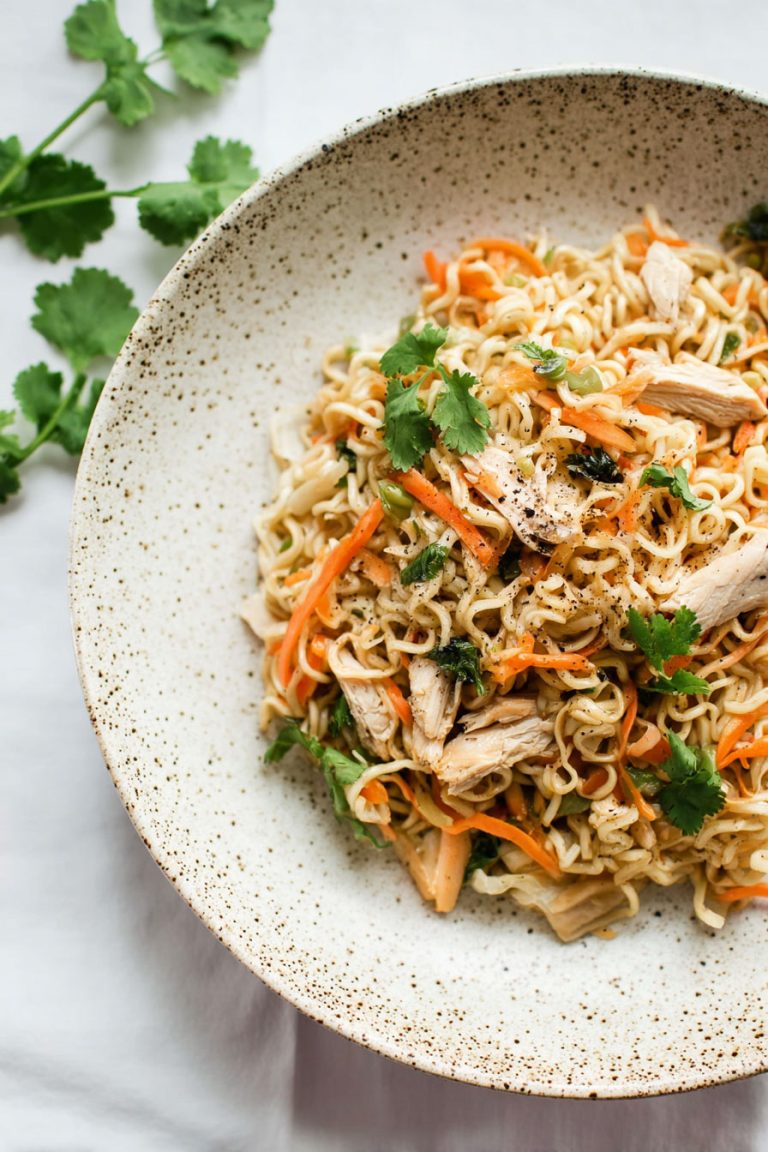
- Steamed jasmine rice (classic)
- Brown rice
- Garlic fried rice
- Rice noodles
- Lo mein or udon
Low-carb options:
- Cauliflower rice
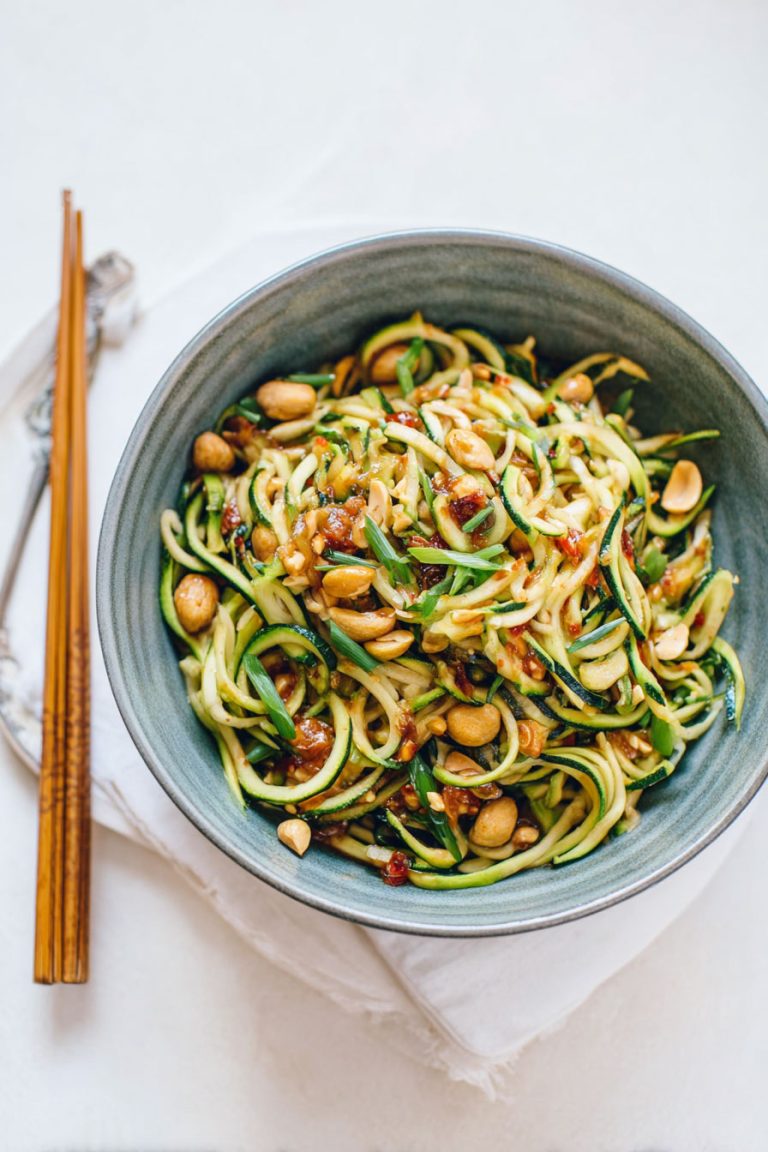
- Zucchini noodles
- A simple cucumber salad
Honestly? Even a pile of lightly steamed broccoli works perfectly here. The sauce soaks into everything.
Storing and Reheating
In the fridge — Store leftovers in an airtight container for up to 3 days.
Reheating — Warm gently in a skillet over low heat. If the sauce has thickened up in the fridge, just add a small splash of water and stir it back to life.
Freezing — I’d skip it. Cooked shrimp tends to turn rubbery after freezing and thawing. This dish is best fresh — and since it takes 20 minutes to make, there’s really no need to freeze it anyway.
Common Questions
Can I use frozen shrimp? Yes, absolutely. Just make sure they’re fully thawed and patted dry before you start cooking.
Can I make this ahead of time? The sauce can be whisked together in advance and stored in the fridge. But the shrimp itself? Best cooked and served fresh.
Why is my sauce too thin? Just let it simmer a little longer. It will thicken as it reduces. Be patient with it.
Why did my shrimp turn rubbery? Overcooked. Shrimp only need a few minutes total — and they keep cooking even after you pull them off the heat. Next time, take them out just a touch earlier.
The Bottom Line
This sesame ginger shrimp has earned a permanent spot in my weeknight dinner rotation. It’s the kind of meal that feels special without actually requiring much from you.
The sauce is bold and balanced. The shrimp are tender and perfectly glazed. And the whole thing comes together in less time than it takes to order delivery.
Give it a shot. And when you do — drop a comment and tell me how you served it. I always love hearing that.
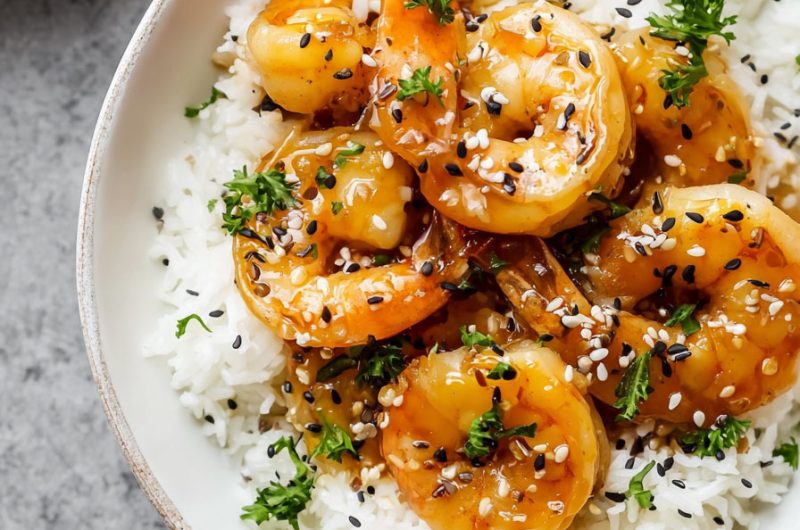
Sesame Ginger Shrimp
4
servings10
minutes10
minutes220
kcalA fast, one-skillet dinner with tender shrimp coated in a sweet, savory, and nutty sesame ginger glaze. On the table in 20 minutes.
Ingredients
1 pound medium shrimp, thawed & peeled
2 tablespoons cornstarch
1 tablespoon olive oil
2 tablespoons soy sauce
2 tablespoons honey
1/2 tablespoon rice vinegar
1/2 teaspoon toasted sesame oil
1 teaspoon fresh ginger, grated
2 cloves garlic, minced
3/4 cup water
Sesame seeds, to taste
Directions
- Pat the shrimp dry and toss with cornstarch until evenly coated.
- Heat olive oil in a skillet over medium-high heat.
- Cook shrimp for 1–2 minutes per side until pink and lightly golden. Remove and set aside.
- In a bowl, whisk together soy sauce, honey, rice vinegar, sesame oil, ginger, garlic, and water.
- Pour sauce into the skillet and bring to a simmer. Cook 2–3 minutes until slightly thickened.
- Return shrimp to the skillet and toss to coat. Cook 1–2 minutes until heated through.
- Sprinkle with sesame seeds and serve immediately.